
Water Damage Restoration
Technicians remove water from hardwood and vinyl first then open walls to check studs. Saturated drywall comes out in sections while subfloor is tested for cupping. Equipment stays until core samples read dry.
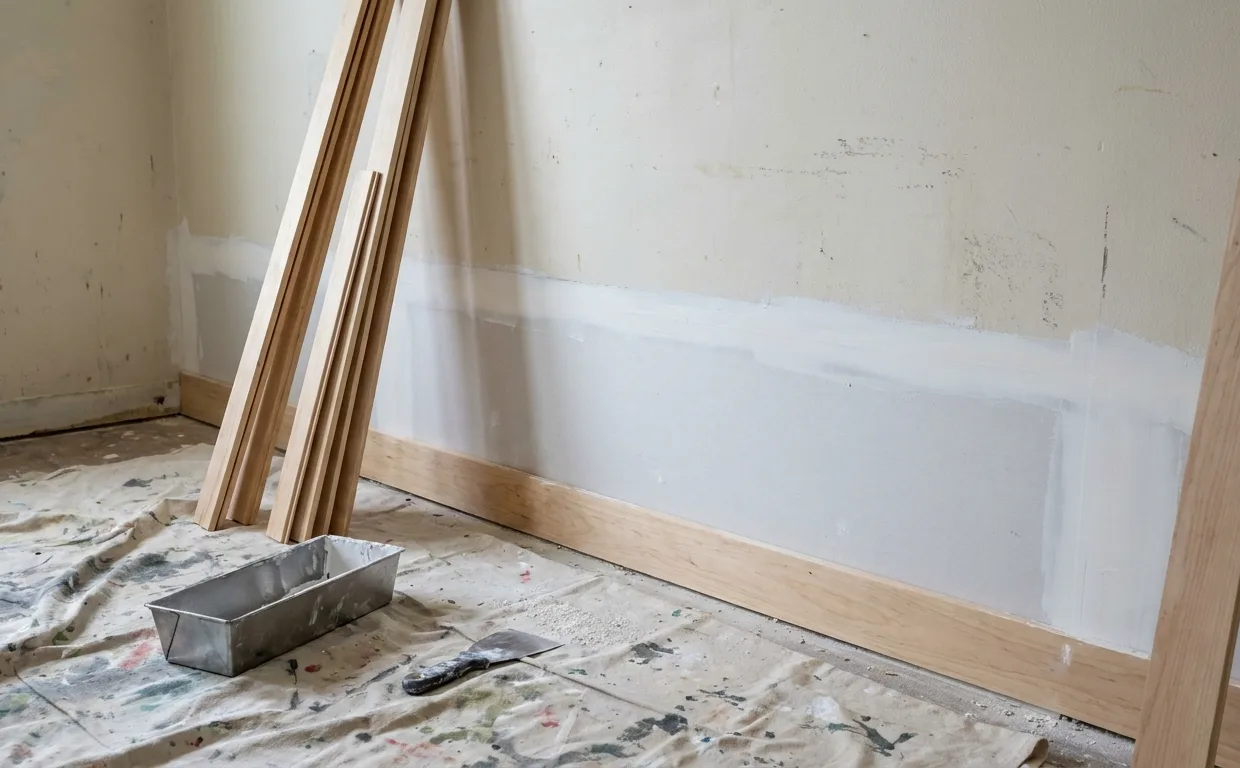
We start every job by pulling out standing water with pumps and wands. Technicians then cut away saturated baseboard and check the subfloor for hidden moisture before any drying equipment goes in. Materials like carpet pad and fiberglass insulation are removed when readings stay above safe levels.
After extraction crews set up air movers and dehumidifiers aimed at wet cavities. We track moisture in joists and drywall layers daily. When readings drop we reinstall only the sections that dried without delamination or mold growth. Every service below is available from Same Day Water Damage Restoration across the USA.
Technicians remove water from hardwood and vinyl first then open walls to check studs. Saturated drywall comes out in sections while subfloor is tested for cupping. Equipment stays until core samples read dry.
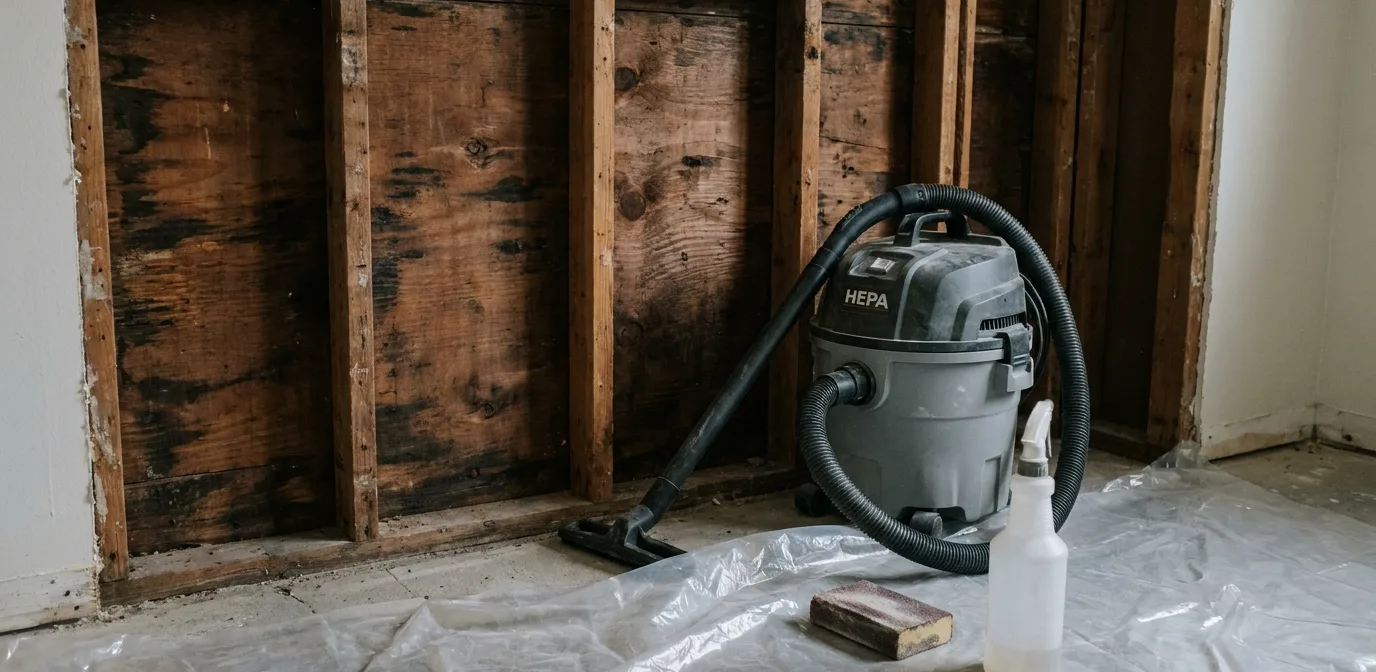
We cut out affected drywall and insulation after water is gone. Technicians HEPA vacuum surfaces and treat exposed framing. Containment barriers stay up until air samples clear the space.
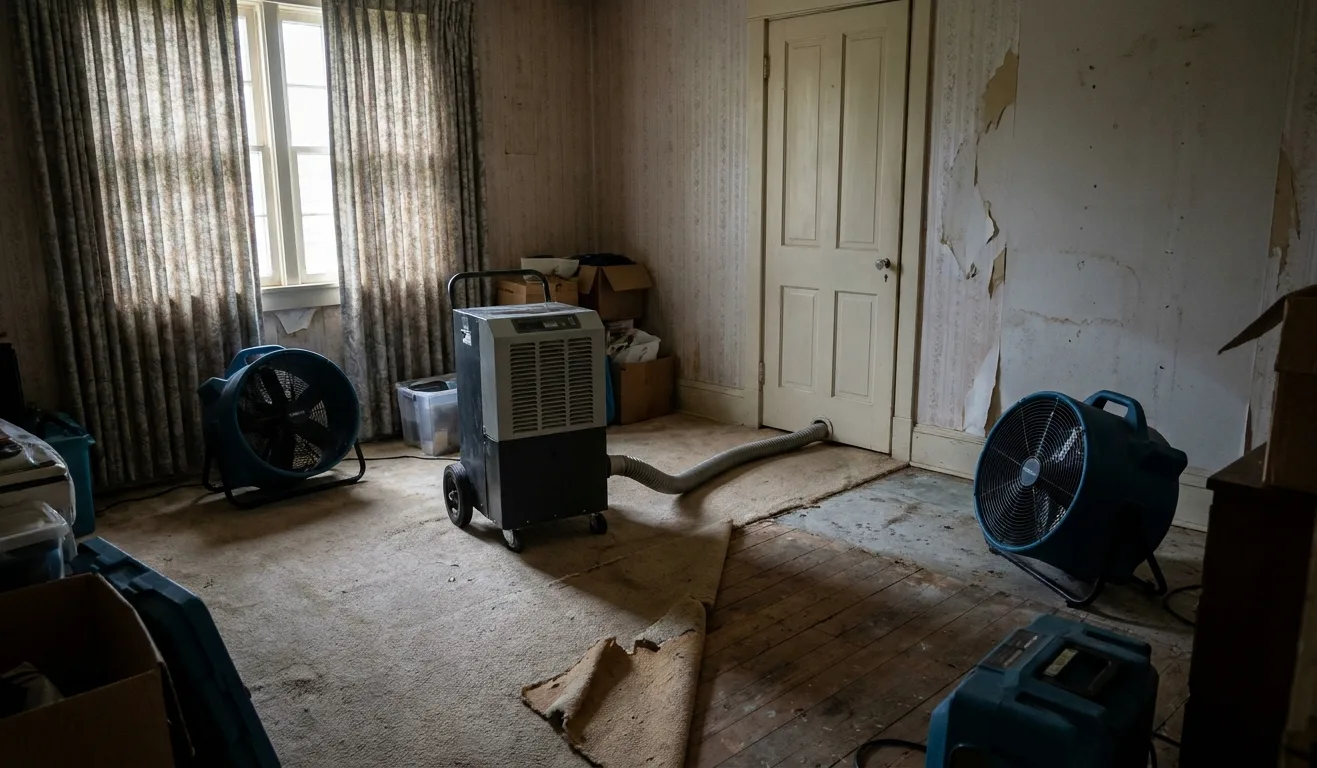
Large dehumidifiers pull moisture from joists and cavities while air movers circulate across concrete slabs. Daily meter checks track progress in each layer of flooring and wall.
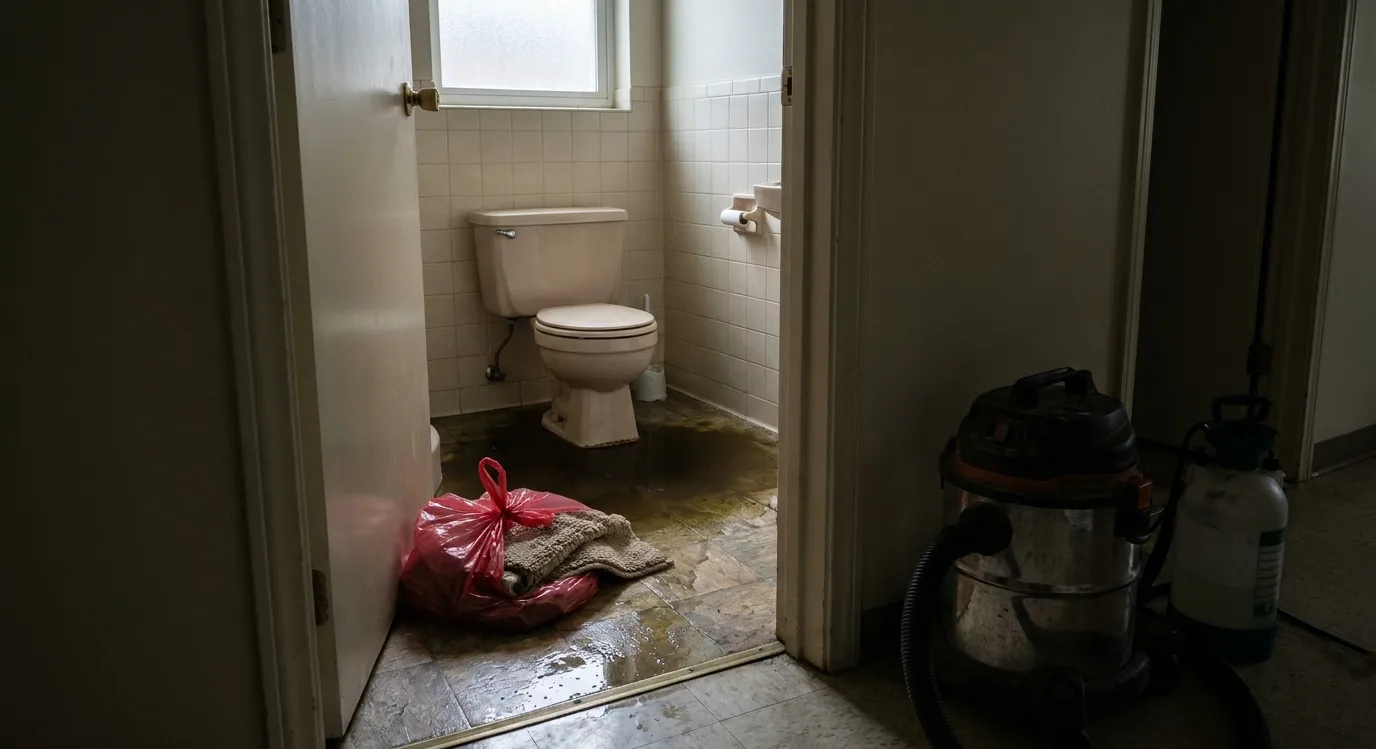
Standing effluent is pumped out and solids bagged. Technicians remove carpet pad and base trim then disinfect subfloor and lower drywall. Negative air machines run until odors clear.
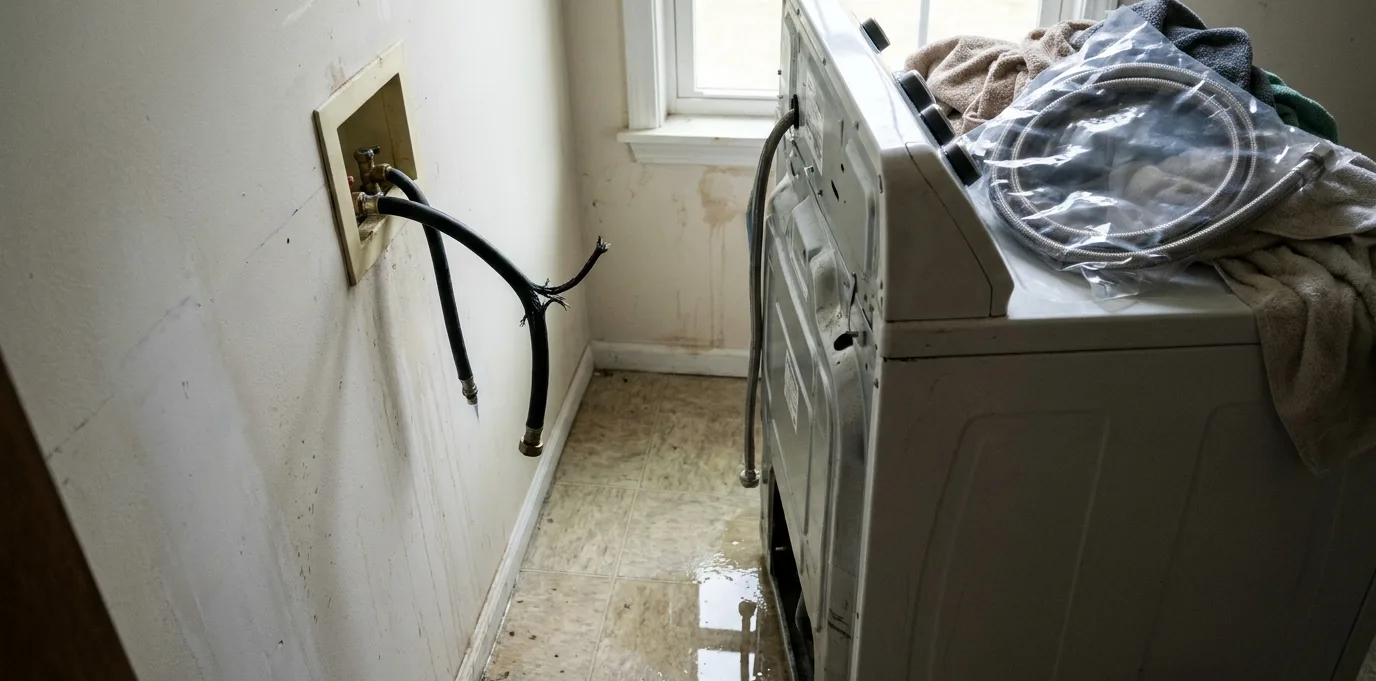
Water under refrigerators and dishwashers is extracted first. Crews pull vinyl or tile to inspect plywood then dry the cabinet base and adjacent drywall with targeted fans.
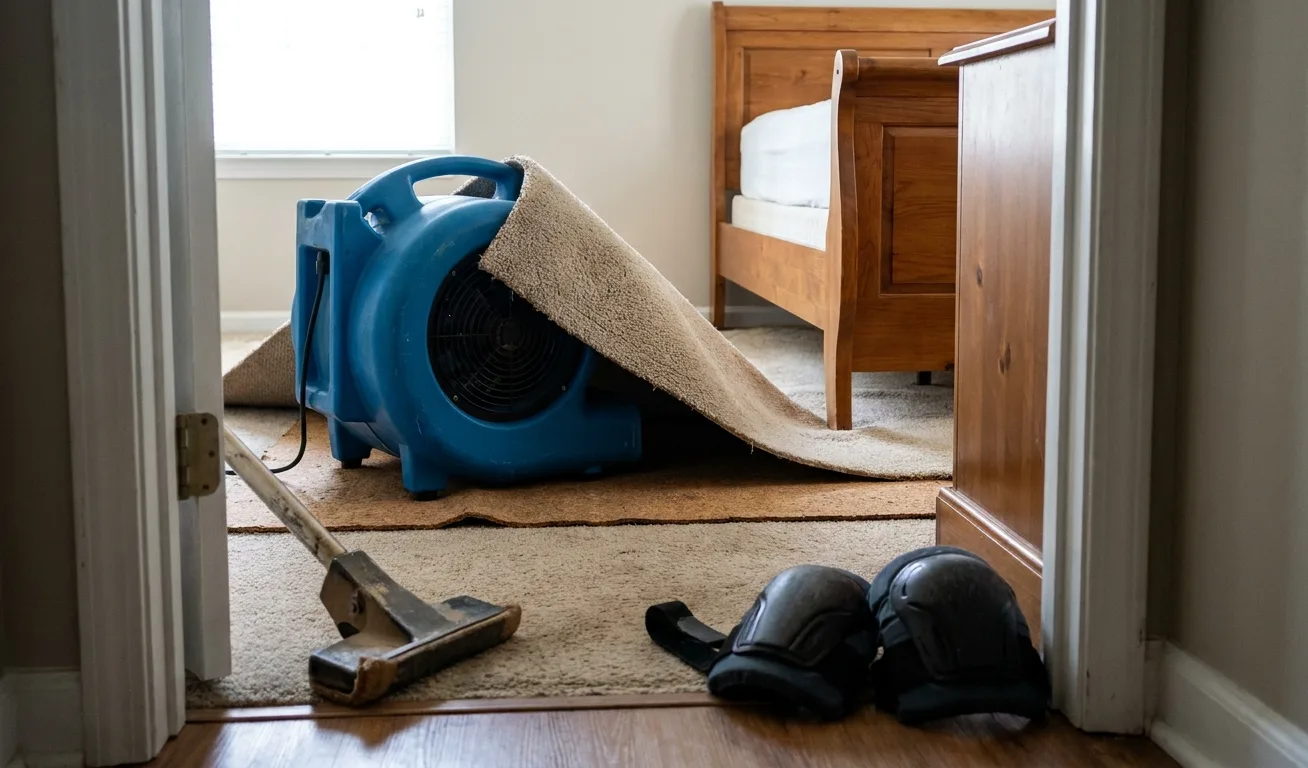
Pad is removed when water reaches the backing. Technicians lift carpet edges and place air movers underneath while checking tack strips and subfloor for cupping or delamination.
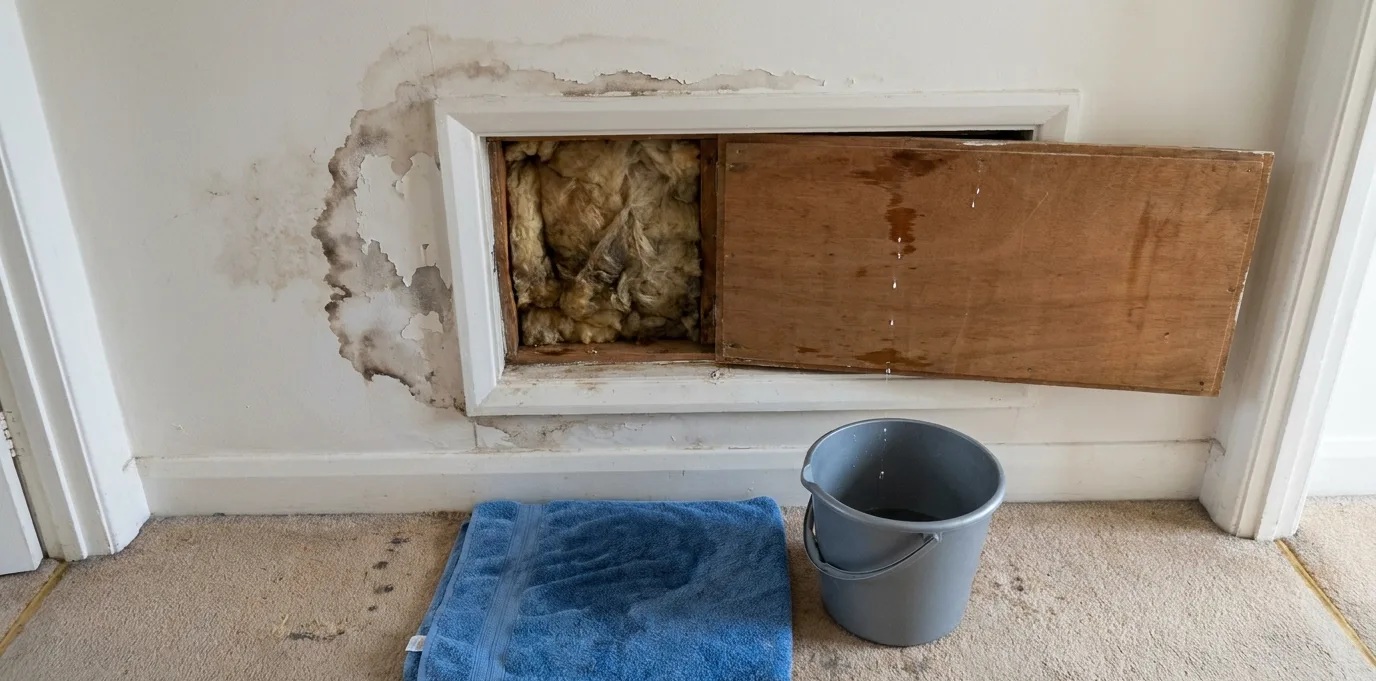
Sagging ceiling drywall is cut away to reach wet insulation. Water is traced along rafters and technicians dry ceiling joists before any new material is installed.
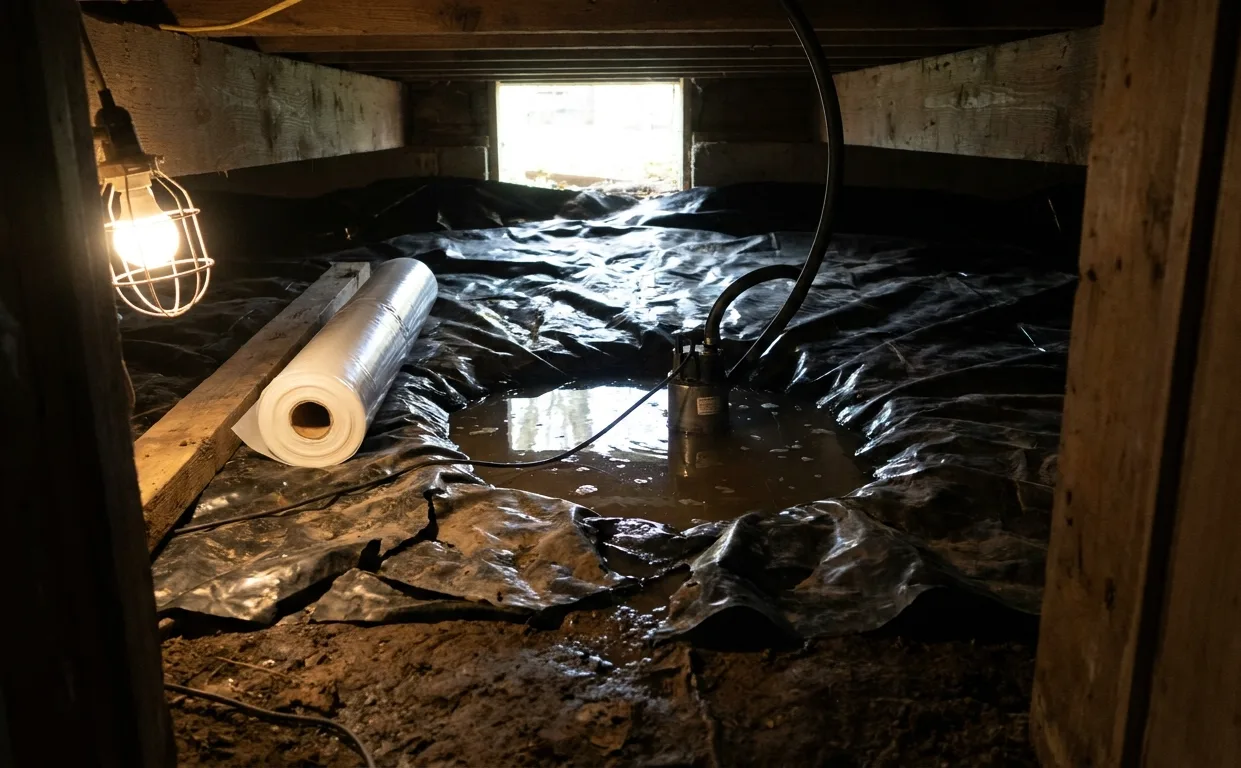
Standing water is pumped from the dirt floor. Technicians remove wet insulation between joists and run dehumidifiers until wood moisture content drops below twenty percent.
Check where the water sits and what materials are wet. Standing water on floors points to extraction and drying. Water in walls or ceilings after a roof leak needs cavity drying. Sewage requires removal of pad and base trim plus disinfection.
Look for odors or discoloration in carpet or drywall. Persistent moisture in a crawl space or under an appliance calls for targeted drying equipment. Mold spots after prior leaks require removal of affected insulation before drying continues.