Mold Removal in the USA
Same Day Water Damage Restoration crews start every Mold Removal job by tracing the water source that fed the growth. Moisture meters locate wet drywall pad and insulation even when no visible spots appear on surfaces. Affected sections get cut out and bagged before any drying equipment runs.
Technicians check crawl spaces and behind cabinets where humidity stays trapped. They pull wet carpet and underlayment when mold has reached the backing. Subfloor gets sanded or replaced if staining has set into the wood fibers. Remove insulation from walls once mold removal finishes then load Same Day Water Damage Restoration homepage for USA details.
Visible and Hidden Indicators
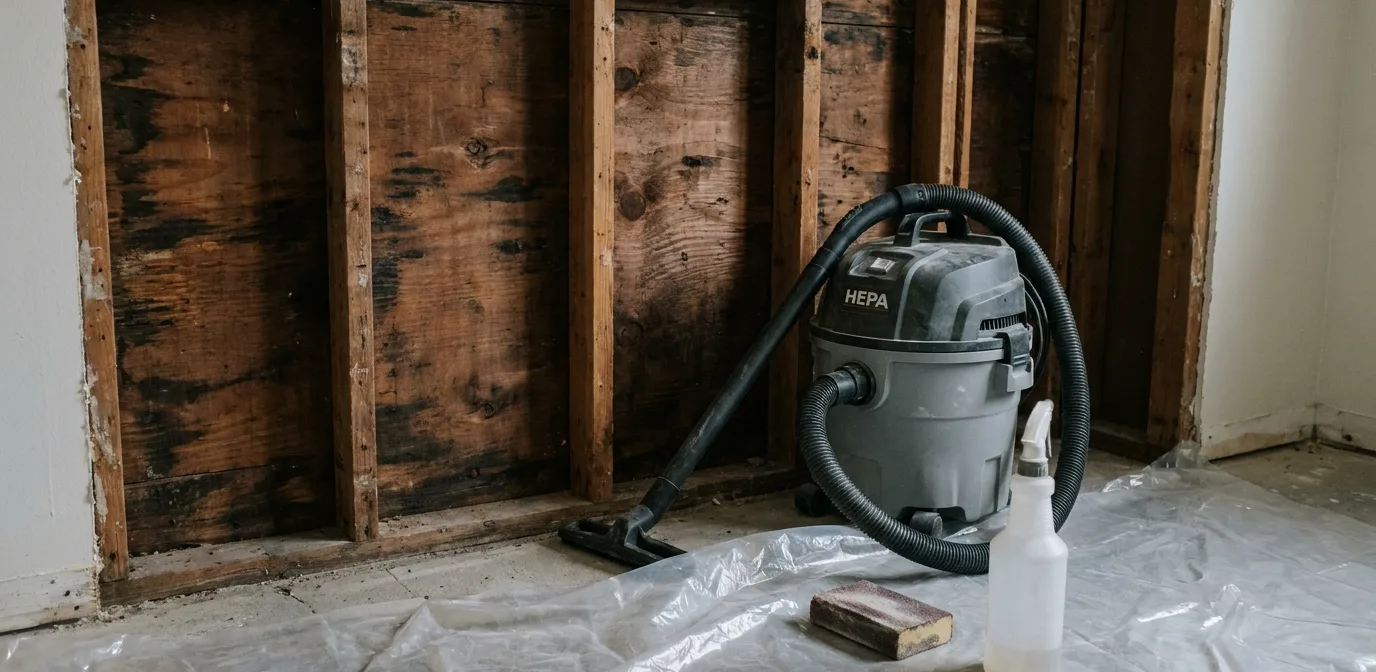
- Black or green streaks along baseboards or drywall seams
- Musty odor that strengthens near closets or bathrooms
- Soft spots in flooring that give under foot pressure
- White powdery film on wood joists in crawl spaces
- Recurring allergy symptoms that ease when leaving the house
Common Moisture Sources
Appliance leaks under sinks allow water to pool against cabinet backs and soak into the wall cavity. Roof penetrations send water down rafters and into ceiling drywall layers. These paths keep relative humidity above sixty percent long enough for spores to colonize cellulose materials.
Crawl space vapor barriers torn or missing let ground moisture rise into floor joists and subfloor plywood. Technicians trace each leak path with infrared cameras before opening walls so removal stays limited to the actual wet zone.
Inspection Measurements
Moisture meters record percentage readings in drywall at multiple heights and depths. Pin probes check subfloor and joists for hidden saturation above twenty percent. Ambient air hygrometers log temperature and humidity in each affected room to set drying targets.
Technicians mark every reading on a floor plan so removal crews know exact cut lines. They open small test holes behind trim to confirm whether insulation needs extraction or can stay in place during drying.
Material Removal Steps
Crew cuts out mold-affected drywall twelve inches past the last visible stain. Insulation batts get pulled and sealed in heavy plastic. Carpet pad is always discarded while carpet itself may be saved if growth stayed on the backing only.
Subfloor sections showing cupping or black staining are replaced. Joists receive surface sanding and treatment when mold sits only on the face. All debris leaves the site before dehumidifiers start to prevent cross contamination to clean rooms.
Rebuild Materials Used
New moisture-resistant drywall goes up on walls that previously held wet insulation. Green board or cement board replaces standard panels in bathrooms. Joint compound and tape seal seams before texture and paint restore the surface finish.
When subfloor was removed plywood sheets of matching thickness are screwed down and sealed at edges. Baseboards and trim are replaced with primed MDF or wood to match existing profiles. Final drying readings confirm the space is ready for these installs.
Mold Removal questions
What starts mold growth after a leak?
Standing water or high humidity above sixty percent lets spores settle on drywall paper facing and wood. Once moisture content stays elevated for forty eight hours colonies form on the cellulose. Removing the water source and drying below sixteen percent stops further expansion.
Can homeowners clean small spots themselves?
Surface mildew on tile grout can be scrubbed with detergent and dried. Any growth inside walls or on insulation requires professional removal because disturbing it spreads spores. Homeowners should shut off the water source and avoid running fans that push air through the house.
Which materials always get replaced?
Wet carpet pad and fiberglass insulation are discarded because cleaning cannot reach the fibers. Drywall that has softened or shows black staining on the back side is cut out. Subfloor plywood with cupping or through staining is also replaced rather than dried in place.
How do crews keep spores from spreading?
Plastic sheeting and negative air machines isolate the work zone. All removed materials leave the building in sealed bags. HEPA vacuums clean surfaces after drying so no dust remains on floors or HVAC registers before reconstruction starts.
Schedule Mold Removal
Contact Same Day Water Damage Restoration to inspect moisture levels and plan material removal.