Water Damage Restoration
Technicians locate the water source, extract standing water, and remove saturated carpet or drywall sections. They then set drying equipment and monitor moisture in the subfloor until levels stabilize.
Water damage restoration · the USA
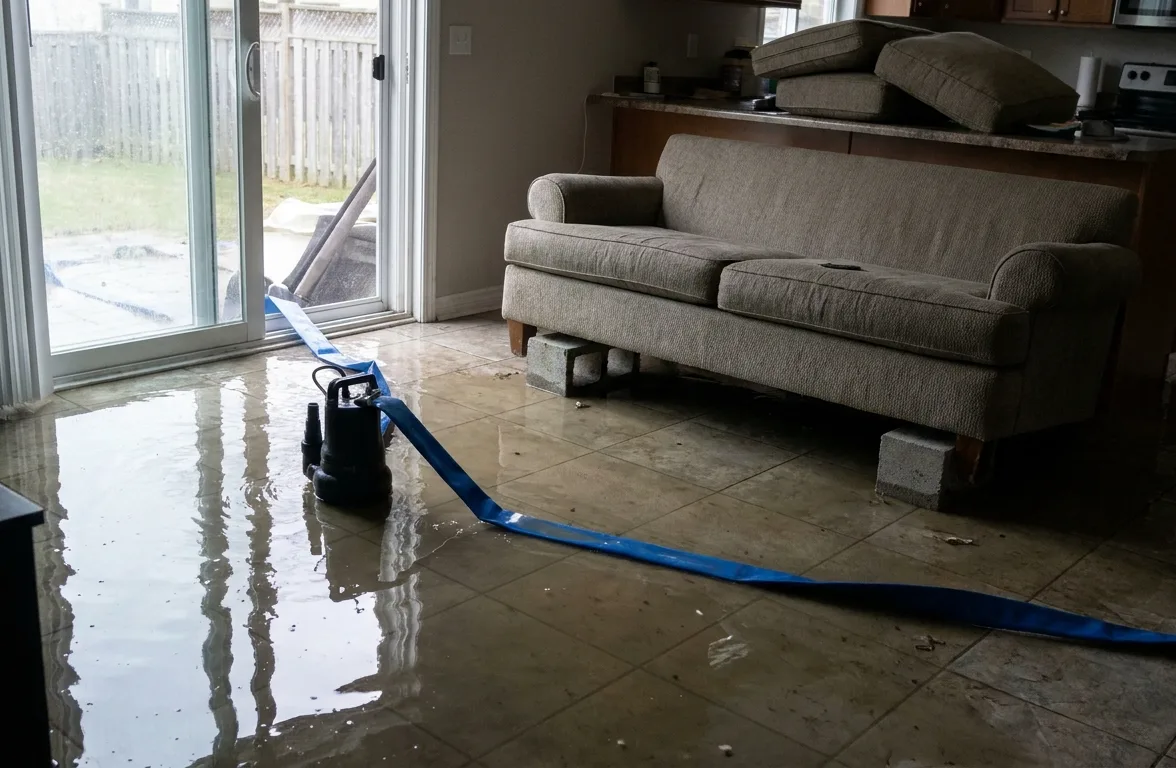
Same Day Water Damage Restoration extracts water and dries buildings across the USA. Crews pull wet carpet and pad, cut saturated drywall, and place air movers plus dehumidifiers to bring moisture levels down.
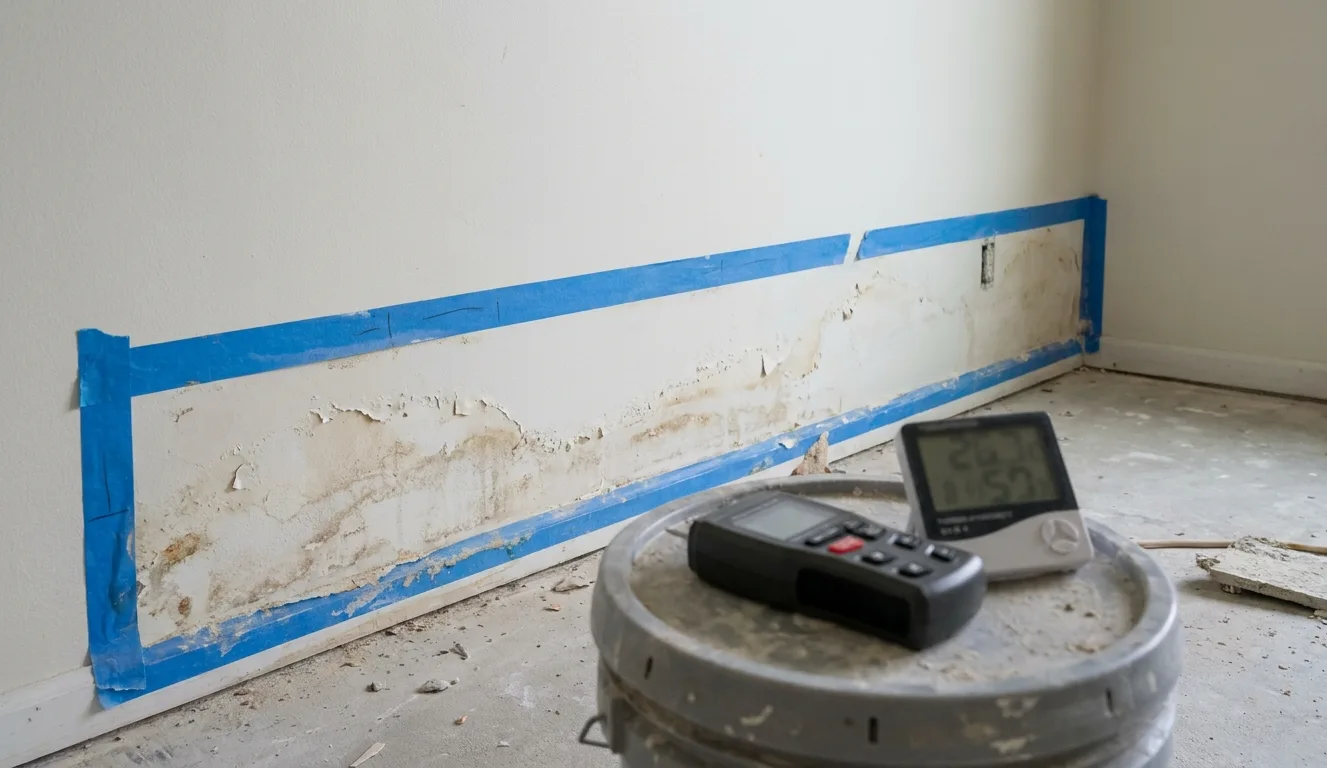
Technicians check drywall, subfloor, and insulation with meters to mark wet zones before any removal starts.
Wet pad gets pulled from carpet so both can dry separately without trapping moisture against the subfloor.
Air movers sit on floors and dehumidifiers run in closed rooms to pull vapor from every surface until readings drop.
Same Day Water Damage Restoration crews handle extraction, drying, and material removal on residential and commercial properties. Each job focuses on the specific materials that got wet and the steps needed to return them to a stable condition.
Technicians locate the water source, extract standing water, and remove saturated carpet or drywall sections. They then set drying equipment and monitor moisture in the subfloor until levels stabilize.
After drying the structure crews cut out affected drywall and insulation where growth has started. Remaining surfaces receive HEPA vacuuming and antimicrobial treatment before new materials go in.
Large dehumidifiers and air movers run in contained rooms to lower humidity and pull moisture from wood, drywall, and concrete. Daily meter checks track progress until the space reads dry.
Crews wear full PPE to remove contaminated water and solids from floors and walls. They discard porous items like carpet and insulation then disinfect hard surfaces before drying begins.
Water under refrigerators or washing machines gets pumped out first. Technicians lift flooring and check the subfloor for swelling then run drying equipment until readings return to normal.
Pad is removed so carpet can be cleaned and dried flat. Air movers sit under the lifted edges while dehumidifiers control room humidity to keep the backing from shrinking or mildewing.
Sagging ceiling drywall gets cut away to stop collapse. Technicians extract water from attic insulation and rafters then place drying equipment until wood moisture drops to acceptable levels.
Standing water is pumped out and wet insulation is removed. Vents stay closed while dehumidifiers and air movers run to dry joists and soil until the space reaches target moisture readings.
Water enters through roof penetrations, appliance hoses, or foundation cracks. Homeowners notice buckling floors, dark stains on ceilings, or a sudden rise in humidity. These signs point to water that has reached drywall, carpet, or subfloor and needs extraction before it spreads further into cavities.
Standing water on hard surfaces or soaked carpet edges shows the moisture has traveled beyond the initial leak point. Technicians measure the affected area with meters to determine how far the water migrated into walls and under flooring. Early detection prevents additional damage to wood framing and electrical components.
Sewage or flood water carries visible debris and odor that signals contamination levels. In these cases porous materials must come out rather than stay for drying. Checking both visible and hidden areas keeps the job from expanding after equipment starts.
Turn off the water supply at the main valve or appliance shutoff to stop additional flow. Move lightweight items like rugs or furniture out of the path if they are still dry. Avoid walking through standing water when electrical outlets are nearby until power can be isolated.
Photograph the water line on walls and any damaged items before anything is moved. This record helps crews plan which sections of drywall or carpet need removal. Do not attempt to run household fans until the source is stopped and standing water is addressed.
Open interior doors to allow air flow between rooms but keep exterior doors closed to limit humidity from outside. These steps give technicians clear access when they arrive and reduce the chance of moisture moving into unaffected spaces.
Same Day Water Damage Restoration follows a sequence of extraction, material removal, drying, and final checks. Each step targets the specific materials that absorbed water and tracks moisture until the structure stabilizes.
Pumps and wands remove standing water from floors and low areas. Crews then check the subfloor and wall cavities to confirm no pockets remain before equipment is set.
Saturated carpet pad, insulation, and sections of drywall are cut out and discarded. This prevents trapped moisture from reaching framing or causing odors later.
Air movers and dehumidifiers run in closed rooms. Daily meter readings on wood and drywall guide adjustments until moisture matches unaffected areas.
Final checks confirm all surfaces are dry. Equipment is removed and the space is left ready for any needed repairs by others.
Crews begin by extracting standing water with pumps and wands. They then cut away saturated drywall up to the moisture line and remove wet insulation and carpet pad. Subfloor is exposed so air movers can reach it directly.
Dehumidifiers are placed in contained zones and air movers are angled across floors and walls. Technicians return daily to take new moisture readings on wood and drywall. Equipment stays until readings match unaffected areas.
Once dry the crew hauls away discarded materials and leaves surfaces ready for repair. Any remaining wet spots get additional equipment until the entire affected zone passes final checks.
Hardwood floors with cupping or separation usually require replacement of affected boards. Engineered flooring with swollen edges is removed and discarded. Technicians test the subfloor underneath to decide if sanding or full replacement is needed.
Drywall that has lost its shape or shows mold growth is cut out and replaced. Insulation behind wet walls is removed because it holds moisture and cannot be dried in place. Metal studs and concrete can stay if they pass moisture tests.
Cabinets and trim are evaluated by checking for delamination at joints. Items that can be dried without warping are left for later refinishing while damaged sections are noted for replacement after the drying phase ends.
The amount of water and how far it traveled determine the equipment and labor needed. Jobs that reach multiple rooms or soak subfloor require more air movers and longer drying cycles than surface-only spills. Contaminated water adds steps for disposal and disinfection that increase overall effort.
Materials involved change the scope. Carpet and pad can be removed quickly while hardwood or plaster walls take extra time to assess and dry. Older homes with multiple layers of flooring or insulation behind finished surfaces add labor for access and removal before drying can finish.
Older homes often contain plaster walls and hardwood floors that absorb water differently than modern materials. Crews check for hidden cavities behind baseboards and inside wall voids before starting removal. Plaster can sometimes be dried in place if it remains intact after extraction.
Rental properties require documentation of every material removed so owners can coordinate repairs. Technicians focus on returning the unit to a dry condition without altering finishes that belong to the landlord. Access to crawl spaces and attics is checked early to avoid delays.
Multi-unit buildings need containment barriers to keep moisture and odor from traveling through shared walls. Drying equipment is sized to each unit separately and monitored so one unit does not affect neighbors while work continues.
Drying time depends on the amount of water, the materials affected, and airflow in the space. Technicians monitor moisture daily and adjust equipment until readings reach normal levels. Some jobs finish in a few days while others with deep saturation in subfloor or insulation run longer.
Wet carpet pad, saturated insulation, and drywall that has lost shape are taken out. These items hold water and cannot be dried fully without replacement. Hard surfaces and some wood framing stay if they pass moisture checks after extraction.
Areas under active drying can remain occupied if power and water are safe. Crews set barriers and equipment to limit dust and noise. Occupants move out of rooms that need full wall or floor access until work is complete.
Pumps and wands remove water without cutting into finished surfaces. Once standing water is gone, wet pad is lifted from carpet edges so the carpet itself can stay in place during drying. Subfloor stays exposed only where needed for airflow.
Discarded materials are bagged and taken from the site for proper disposal. Crews note what was removed so owners can plan replacements after the drying phase ends. No items are left on site once the job is finished.
Technicians test outlets near wet areas before equipment is placed. Any circuits that show moisture are isolated until walls dry. This step keeps equipment operation safe and prevents future issues once power is restored.
Same Day Water Damage Restoration crews work on properties across the USA. Contact us to start extraction and drying on affected materials.