Table Of Contents
Restoring Furniture and Fabrics
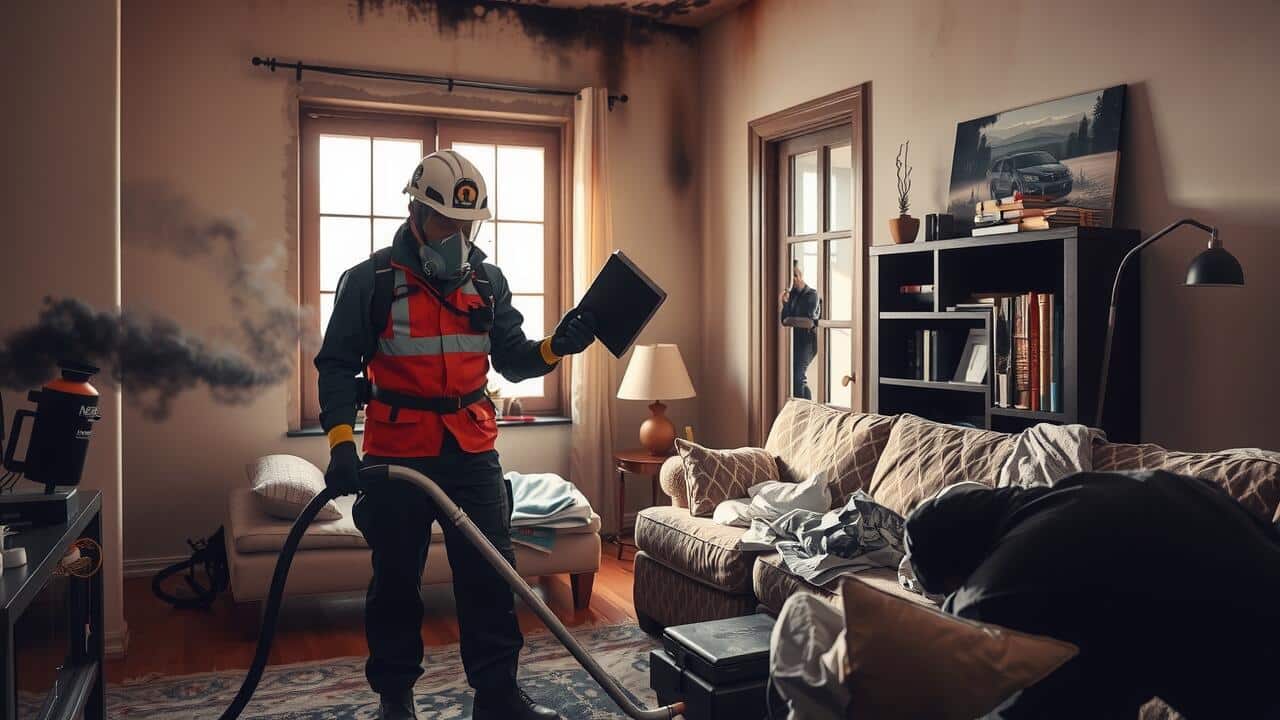
Restoring furniture and fabrics after a smoke damage incident requires careful attention to detail. When smoke permeates materials, it can leave behind not only stains but also a lingering odor. The first step in smoke damage cleanup in upholstered items often includes vacuuming thoroughly to remove soot and particulates. For deeper cleaning, a mild detergent can be used, but it’s crucial to test any cleaning solution on a hidden area to avoid discoloration or damage.
Wooden furniture may also suffer from smoke exposure, requiring a different approach. A mixture of water and vinegar can be effective for cleaning surfaces, but applying it cautiously is essential to prevent moisture damage. After cleaning, a dedicated furniture polish can help restore the luster while providing a protective layer against future stains. Each step taken during the restoration process plays a significant role in successfully addressing the impact of smoke damage on furniture and fabrics.
Methods for Deep Cleaning Upholstered Items
Deep cleaning upholstered items affected by smoke damage requires careful attention to the materials involved. Start by vacuuming the furniture thoroughly to remove any loose soot or debris. For fabric upholstery, a mixture of warm water and mild detergent can be used. Dampen a microfiber cloth with this solution and gently blot the stained areas, being cautious not to oversaturate the fabric. Avoid scrubbing, as this can push the soot deeper into the fibers. For synthetic materials, a steam cleaner may offer an effective alternative, helping to lift residues without requiring excessive moisture.
For more intricate designs, or if stubborn stains remain, consider utilizing a specialized upholstery cleaner designed for smoke damage cleanup in homes. Test any product on a small, inconspicuous area first to ensure it does not discolor or damage the fabric. In cases where the odor persists or materials are significantly affected, professional cleaning services specializing in smoke damage cleanup in homes can provide advanced techniques and equipment to restore upholstery to its original condition.
Addressing Odor Removal
Removing odors resulting from smoke damage can be a challenging but essential step in the restoration process. Multiple techniques exist to tackle this issue effectively. Basic cleaning methods, including washing walls and surfaces, can help reduce lingering smells. Specialized cleaning solutions designed for smoke and soot can penetrate surfaces and eliminate odors at the source. Additionally, items like curtains and upholstery may require more thorough treatments, such as steam cleaning, to ensure the scent doesn’t persist.
For effective deodorization, several advanced methods can be employed. Ozone generators can be beneficial for neutralizing odors in confined spaces, while thermal fogging can permeate porous materials to reach and eliminate trapped smoke particles. Utilizing activated charcoal and baking soda as natural deodorizers can also absorb unpleasant scents from the air and surfaces. Homeowners may consider Smoke Damage Cleanup in their overall cleaning strategy as part of restoring their living environment to its original state.
Effective Deodorization Techniques
Effective deodorization techniques are essential for removing the lingering odors associated with smoke damage. One common method involves using activated charcoal, which can absorb and neutralize smells effectively. Place bowls of activated charcoal in various locations throughout the affected space. This natural absorber works silently and does not release any harmful chemicals into the environment.
Another effective technique includes using a mixture of vinegar and water. This solution can be sprayed onto surfaces and fabrics. The vinegar’s strong odor dissipates quickly, taking smoke smells with it. Proper ventilation during the cleaning process is crucial. For comprehensive odor removal, consider incorporating professional methods for smoke damage cleanup in hard-to-reach areas.
Professional Restoration Services
Professional restoration services specialize in addressing smoke damage cleanup in residential and commercial properties. These experts possess the knowledge and equipment to effectively assess the extent of the damage, ensuring a thorough restoration process. They utilize industrial-grade tools and techniques that are often beyond the capacity of standard cleaning methods. This professional touch can significantly accelerate the recovery timeline, minimizing further structural issues and health risks associated with lingering residues.
Choosing to hire professionals for smoke damage cleanup in your property can alleviate the stress and uncertainty of managing the aftermath of a fire. Trained technicians can provide a comprehensive treatment plan tailored to the specific needs of the affected areas. Their expertise in odor removal and material restoration often leads to better long-term results, compared to DIY efforts. Relying on qualified specialists helps ensure that both visible and hidden damage is addressed effectively, providing peace of mind for property owners during a challenging time.
When to Call in the Experts
When dealing with extensive smoke damage, homeowners may find the situation overwhelming. DIY cleaning methods can often fall short in effectively restoring affected areas. If the damage extends beyond superficial layers, it is wise to consider professional help. Experts in smoke damage cleanup in residential settings possess the right tools, training, and experience to tackle complex restoration tasks efficiently.
In some cases, specific materials may require specialized treatment that only professionals can offer. Mold and mildew can develop if moisture remains trapped within walls or furnishings after the initial cleanup. Additionally, lingering odors can be challenging to eliminate without advanced deodorization techniques. Engaging a professional service for smoke damage cleanup in a timely manner can ultimately save time, effort, and additional costs associated with long-term damage.
FAQS
What are the first steps to take after experiencing smoke damage?
The first steps include ventilating the area by opening windows and doors, removing any undamaged items, and assessing the extent of the damage before attempting any cleaning.
Can I clean smoke-damaged furniture myself?
Yes, you can clean smoke-damaged furniture yourself using appropriate cleaning methods, but be sure to follow specific techniques for different materials to avoid further damage.
How do I remove smoke odors from fabrics?
To remove smoke odors from fabrics, consider using a mixture of vinegar and water, baking soda, or specialized fabric deodorizers. Washing items according to care labels can also help eliminate odors.
When should I consider hiring professional restoration services?
You should consider hiring professional restoration services if the smoke damage is extensive, if you are dealing with significant odors, or if you feel uncomfortable handling the cleanup on your own.
Are there specific products recommended for cleaning smoke damage?
Yes, products like enzyme cleaners, baking soda, and activated charcoal are often recommended for neutralizing odors, while specialized upholstery and surface cleaners are effective for deep cleaning surfaces and fabrics.

