Table Of Contents
Insurance and Mold Remediation
Insurance policies can vary significantly in terms of coverage for mold remediation. Many standard homeowner’s insurance policies include some level of protection against mold damage, but specific terms, limits, and exclusions often apply. It’s crucial for homeowners to review their policies carefully to understand what situations are covered and any caps on financial reimbursement for mold remediation efforts.
In some cases, mold damage may be considered preventable, leading insurers to deny claims for mold remediation if negligence is suspected. Homeowners should document any water damage or leaks promptly, as this can be essential for securing appropriate coverage. Staying informed about insurance policies can help mitigate the financial impact of mold issues when they arise.
Coverage Options and Limitations
Many homeowners may not realize that standard homeowner’s insurance policies often provide limited coverage for mold remediation. Some policies may include provisions for mold damage caused by sudden water events, such as a burst pipe. However, intentionally created moisture environments, like those from poor ventilation or flooding, may not be covered at all. As a result, it’s important for homeowners to review their specific policy details and consider any additional coverage riders related to mold issues.
Limitations can also arise from deductibles that need to be met before coverage kicks in. In some cases, the cost of mold remediation may not exceed the deductible, leaving homeowners to bear the full expense. Additionally, insurance companies often require proper documentation and evidence of the mold problem before approving claims for remediation services. Homeowners should be proactive in maintaining their property to help avoid costly mold remediation and ensure they are aware of their coverage options.
Mold Remediation Process Overview
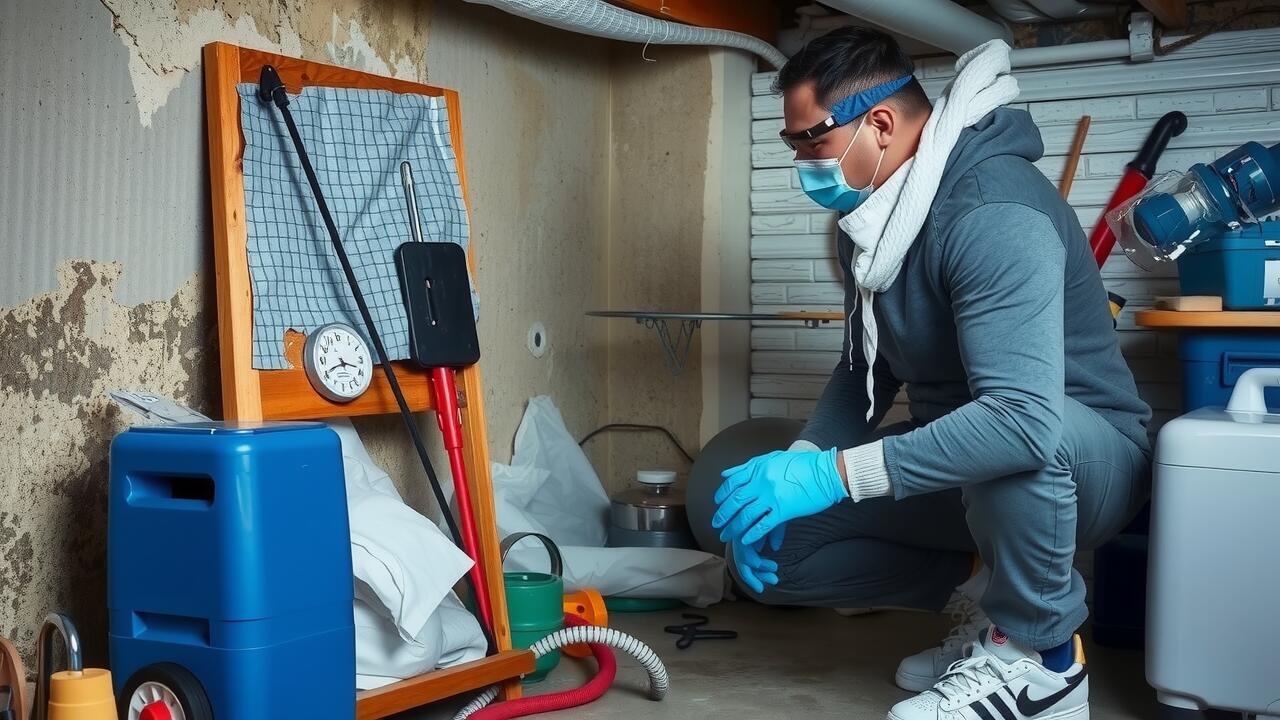
The mold remediation process involves several critical steps to effectively eliminate mold from residential or commercial properties. Initially, a comprehensive assessment is conducted to identify the extent of mold growth and determine the underlying moisture sources. This evaluation is crucial for addressing the root cause of the problem, ensuring that mold does not return after remediation. Once the assessment is complete, containment measures are implemented to prevent the spread of mold spores to unaffected areas during the cleanup.
After containment, the removal of affected materials occurs, which may include drywall, carpeting, and insulation. Professional mold remediation typically uses specialized equipment and techniques to remove mold safely. Following this, thorough cleaning and disinfection of surfaces take place, and in some cases, the application of anti-microbial solutions may be necessary. Once all mold and contaminated materials have been addressed, the space is monitored to ensure that humidity levels remain controlled, preventing future mold issues.
Steps Involved in the Remediation
Mold remediation typically begins with a thorough assessment of the affected area. Professionals may utilize moisture meters and infrared cameras to identify hidden mold growth and moisture issues. This initial inspection helps to determine the extent of the problem and outlines the necessary steps for effective remediation. Once the assessment is complete, containment measures are put in place to prevent the spread of mold spores during the cleanup process.
The actual remediation process involves several key steps. First, the contaminated materials, such as drywall or carpeting, are removed and properly disposed of. Following this, the area is cleaned using specialized equipment and solutions designed to kill mold. It is essential to dry the space thoroughly to eliminate any remaining moisture. Finally, the affected areas are often treated with antimicrobial products to prevent future mold growth, ensuring a comprehensive approach to mold remediation.
Preventative Measures to Avoid Mold
Preventative measures are essential in reducing the risk of mold growth in homes and buildings. Regular inspections of areas prone to moisture, such as basements and bathrooms, can help identify potential issues before they escalate. Proper ventilation plays a crucial role in maintaining lower humidity levels, especially in spaces where water usage is high. Ensuring that exhaust fans vent outside and using dehumidifiers in damp areas can significantly lower the chances of mold proliferation.
In addition to addressing moisture, routine maintenance of roofs, gutters, and plumbing systems is vital. Clogged gutters can lead to water pooling, which creates a favorable environment for mold. Promptly fixing leaks in pipes and ensuring that drainage systems function properly also contribute to a drier atmosphere. By implementing these preventative strategies, homeowners can potentially reduce the need for costly mold remediation in the future.
Importance of Regular Maintenance
Regular maintenance is essential in preventing mold growth within any property. Scheduling routine inspections can help identify damp areas and potential water damage before they escalate into larger issues. Homeowners should focus on maintaining proper ventilation, ensuring that bathrooms and kitchens are well-aired, and checking for leaks in plumbing. Addressing these concerns early may significantly reduce the likelihood that extensive Mold Remediation will be necessary in the future.
Being proactive about home upkeep not only protects your living environment but can also save money in the long run. Routine maintenance may help catch problems early, thereby minimizing the extent and complexity of any eventual Mold Remediation. By committing to consistent checks and repairs, property owners can create a healthier space while avoiding costly remediation services.
FAQS
How much does mold remediation usually cost?
The cost of mold remediation can vary widely depending on factors such as the size of the affected area, the severity of the mold growth, and the location of the property. On average, homeowners can expect to pay between $500 to $6,000 for professional mold remediation services.
Does insurance cover mold remediation?
Many homeowners insurance policies may cover mold remediation, but coverage can vary significantly. It’s important to check your policy for specific coverage options and limitations, as some policies only cover mold if it resulted from a covered peril, such as water damage.
What factors influence the cost of mold remediation?
Several factors can influence the cost, including the extent of the mold infestation, the type of materials affected, the remediation techniques required, and whether additional repairs are needed after remediation is completed.
Can I perform mold remediation myself to save money?
While small mold issues can sometimes be tackled by homeowners using proper safety precautions and cleaning methods, it is generally recommended to hire professionals for more extensive infestations. They have the necessary equipment and expertise to ensure thorough remediation and prevent future growth.
How can I prevent mold from growing in my home?
Preventative measures include maintaining proper ventilation, controlling humidity levels, fixing leaks promptly, ensuring good drainage around your property, and conducting regular maintenance checks in areas prone to moisture, such as basements and bathrooms.
