Table Of Contents
Maintenance of Water Extractors
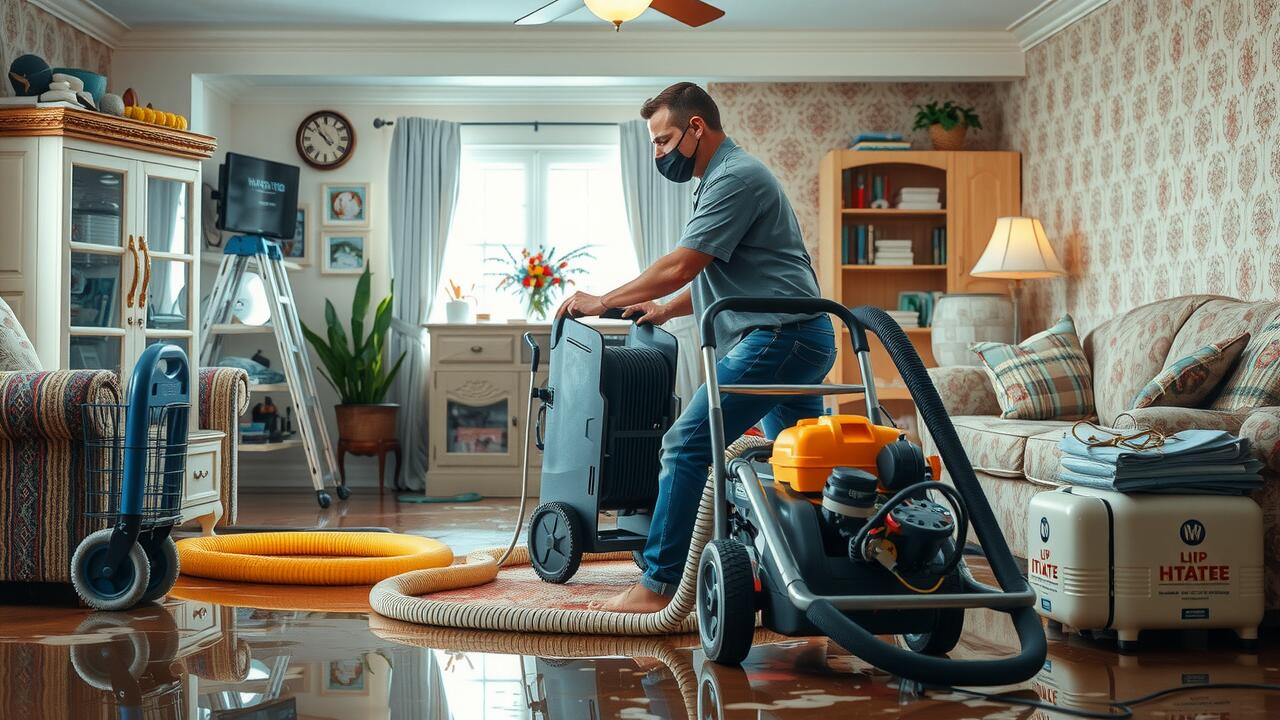
Regular maintenance of water extractors is essential for optimal performance and longevity. Routine checks should include inspecting the filters, hoses, and tanks for any signs of wear or damage. Keeping these components clean enhances the efficiency of water extraction in various environments, such as homes or commercial spaces. It is advisable to follow the manufacturer’s instructions for maintenance schedules to ensure the extractor operates effectively.
Additionally, proper storage plays a significant role in the maintenance of water extractors. After use, ensuring that the machine is cleaned and thoroughly dried will prevent mold and mildew from forming. It’s crucial to store the unit in a cool, dry location, away from direct sunlight or extreme temperatures. Correct handling and storage practices can greatly influence the durability and performance of water extraction in any setting.
Essential Tips for Longevity and Performance
Regular maintenance is crucial for ensuring the longevity and performance of water extractors. Begin with routine inspections of the unit, checking for any signs of wear and tear. Clear the filters and hoses from debris to maintain optimal airflow and flow rate. Keep an eye on the motor’s performance, listening for any unusual sounds that might indicate a problem. Adhering to the manufacturer’s guidelines for maintenance schedules helps prevent larger issues down the line.
Water extraction in various settings can expose the equipment to different environmental factors. Protect the water extractor from extreme temperatures and moisture. Store the unit properly when not in use, ideally in a dry space, and cover it to prevent dust accumulation. Frequently assess the seals and gaskets for integrity. Proper handling during operation also contributes to the unit’s lifespan, minimizing sudden impacts or excessive pressure that can lead to malfunctions.
Common Issues with Water Extractors
Water extractors are essential tools for removing excess moisture from various surfaces, but they can encounter problems during operation. One common issue is blockage in the suction hose or filter. This can lead to reduced efficiency and lower water extraction rates. Debris, dirt, or hair can accumulate over time, hindering the extractor’s performance. Regular maintenance and cleaning of these components can help prevent these blockages and ensure optimal water extraction in residential or commercial settings.
Another frequent problem involves the machine’s pump or motor. If the water extractor begins to make unusual noises or does not start, it may indicate an issue with the electrical components. Additionally, leaks are a concern; water should not escape from the housing or tanks. Identifying and resolving these problems promptly is crucial to maintaining effective water extraction in various environments, especially when dealing with situations like flooding or carpets that need immediate attention.
Diagnosing and Troubleshooting Problems
When diagnosing problems with a water extractor, attention to detail is essential. Start by examining the unit’s power source. Ensure that it is plugged in and that the circuit breaker has not tripped. Check for any visible damage to the power cord or connections. A common issue can arise with the water extraction in smaller units, where a clogged filter or tank may prevent efficient operation. Regularly cleaning and inspecting these components can help avoid unnecessary disruptions.
Another area to investigate is the suction mechanism. If the extractor is struggling to remove water effectively, the hoses may be kinked or obstructed. Look for any buildup that could hinder the flow of water extraction in various spaces. Environmental factors, such as extreme humidity levels, might also impact performance. By systematically addressing these potential issues, operators can maintain optimal functionality and longevity of their water extraction equipment.
Safety Considerations
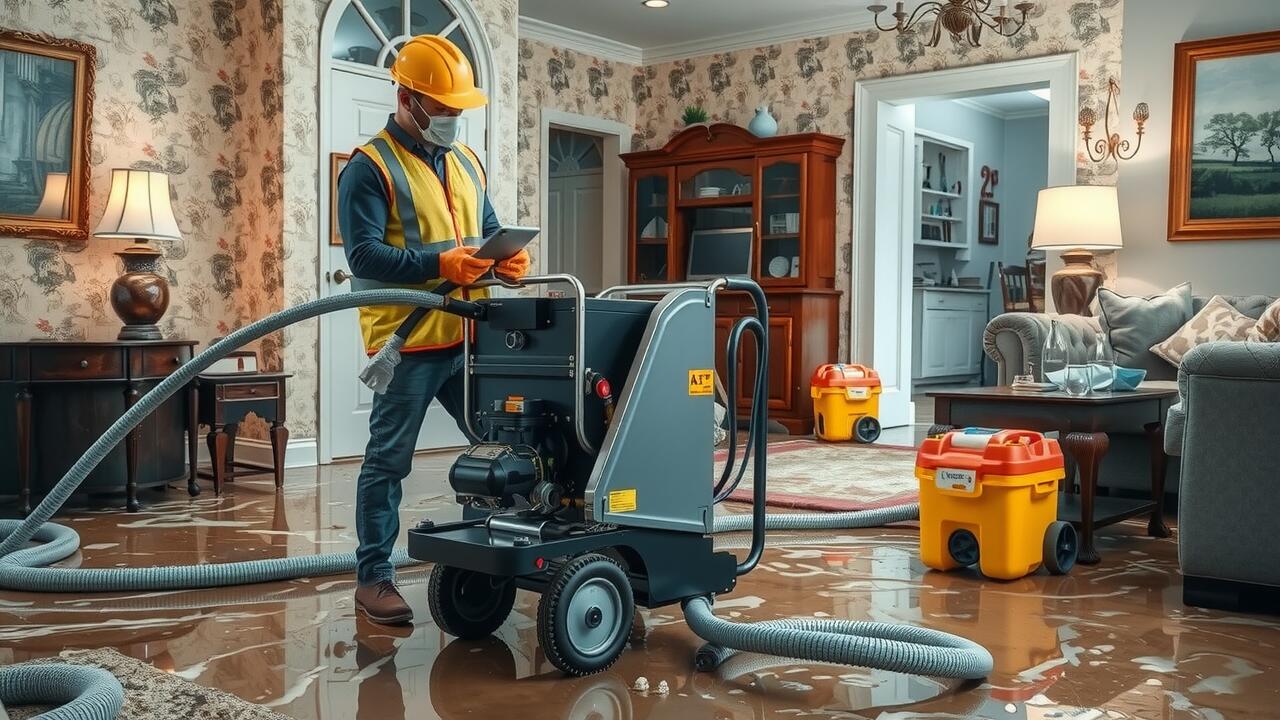
Water extraction in various settings requires careful attention to safety considerations. Operators should always inspect equipment before use to ensure no leaks or damages could pose hazards. Wearing appropriate personal protective equipment, such as gloves and goggles, is essential to safeguard against potential exposure to contaminants in the water being extracted. Proper ventilation is also necessary, especially when working in confined spaces where fumes or mold may be present.
Additionally, it is crucial to keep the work area organized and free of tripping hazards. Awareness of electrical sources nearby is important, as water and electricity can be a dangerous combination. Operators should follow manufacturer guidelines for operating equipment and conduct regular training sessions to ensure all personnel understand safety standards. Regular maintenance also plays a vital role in preventing accidents during water extraction in both residential and commercial environments.
Best Practices for Safe Operation
When operating a water extractor, always prioritize personal safety. Wear appropriate protective gear, including gloves and goggles, to safeguard yourself from potential hazards. Ensure that the area around the extractor is clear of obstacles to prevent slips and falls while performing water extraction in various environments. Staying alert to your surroundings will help you avoid accidents during the extraction process.
Proper ventilation is critical during water extraction in enclosed spaces. Moisture can lead to mold growth or structural damage, so maintain airflow by opening windows or using fans. Regularly inspect the equipment for any signs of wear or damage to prevent malfunctions. Keeping the water extractor clean and well-maintained not only extends its lifespan but also enhances safety during operation.
FAQS
What is a water extractor?
A water extractor is a machine used to remove excess water from carpets, upholstery, and other surfaces, typically after floods, spills, or deep cleaning.
How does a water extractor operate?
Water extractors operate by using a combination of suction and extraction techniques to pull water out of materials, often incorporating a pump and vacuum system to efficiently remove moisture.
Can I use a water extractor on all types of carpets?
While water extractors are suitable for many types of carpets, it’s essential to check the manufacturer’s guidelines for your specific carpet type to avoid damage.
What maintenance is required for a water extractor?
Regular maintenance includes cleaning filters, checking hoses for clogs, inspecting the pump and motor, and ensuring all parts are functioning correctly to prolong its lifespan.
What should I do if my water extractor is not suctioning properly?
If your water extractor is not suctioning properly, check for clogs in the hose, ensure the tank is not full, and inspect the filters for dirt buildup. If problems persist, consult the manufacturer’s instructions or seek professional help.