Table Of Contents
Addressing Water Damage
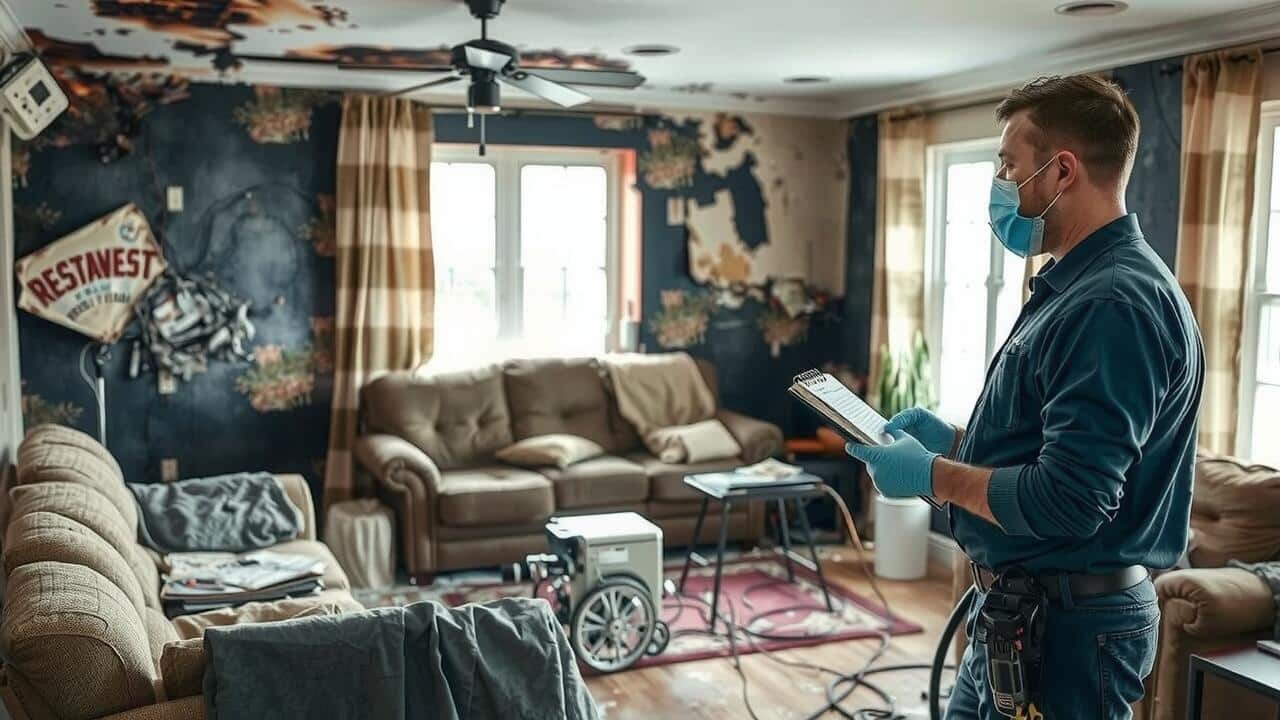
Fire incidents often lead to significant water damage due to firefighting efforts. Water can seep into walls, floors, and other structural components, creating a breeding ground for mold and compromising the integrity of the home. Addressing this damage promptly is crucial to prevent further issues. Professional services offering Residential Fire Damage Repair in many regions usually include water extraction and drying processes to combat moisture and restore affected areas.
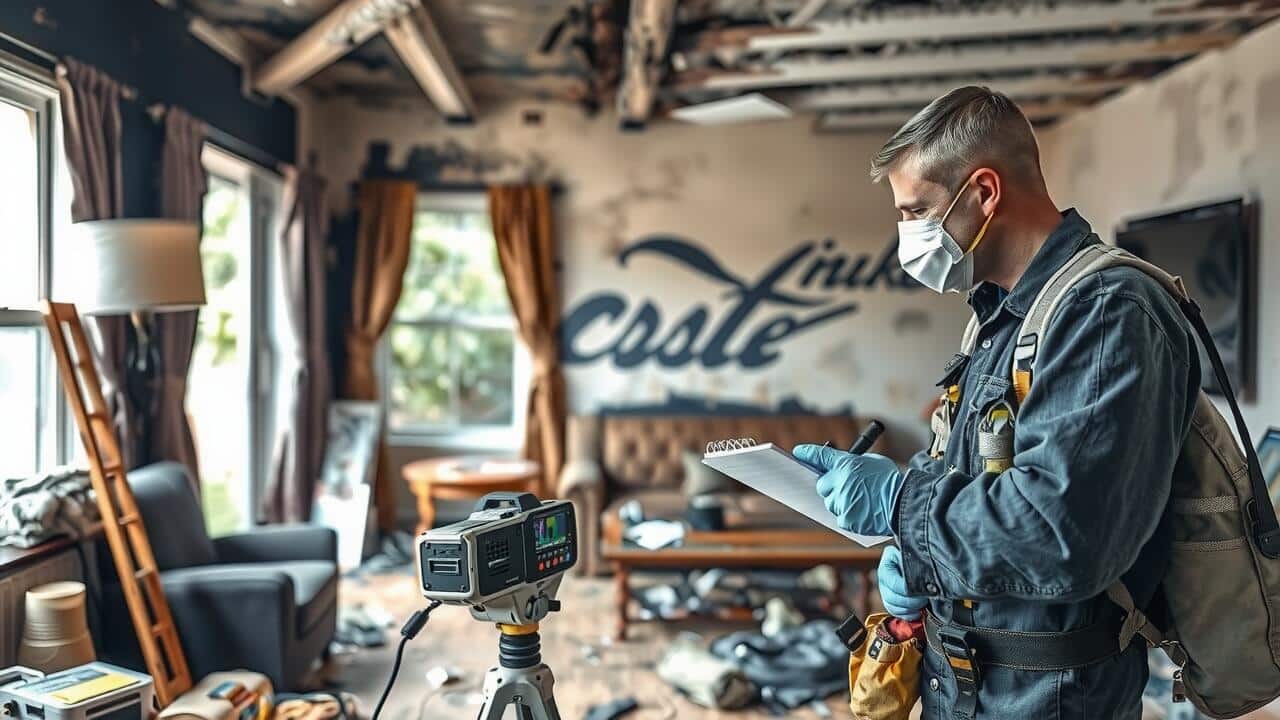
Part of tackling water damage involves assessing the severity of the situation. Areas that have absorbed excess water may require repairs or complete replacement, especially in materials like drywall and flooring. Additionally, homeowners should be aware of potential hidden damage, which may not be immediately visible. Seeking expert advice in Residential Fire Damage Repair in your area helps ensure that all aspects of the water damage are thoroughly addressed, preserving the safety and value of the property.
The Impact of Firefighting Efforts
When firefighters respond to a blaze, they use hoses and water to extinguish the flames. This crucial step, while essential for protecting the structure and preventing total loss, can also lead to significant water damage. The combination of soot and moisture creates a challenging environment for restoration. Any exposed surfaces, including walls, ceilings, and flooring, may require immediate attention. This makes the process of Residential Fire Damage Repair in affected homes particularly complex and demands expert assessment.
Additionally, the firefighting efforts can cause structural concerns that might not be immediately apparent. Water from firefighting can seep into various materials, weakening their integrity over time. Firefighters also sometimes break windows or remove sections of the roof to allow smoke to escape. These actions, though necessary for safety, can leave a home vulnerable to further damage. Hence, understanding the extent of impact from both fire and water is critical for effective restoration.
Dealing with Insurance Claims
Navigating the insurance claims process after a fire can be overwhelming. Homeowners often find themselves faced with a complex array of paperwork and procedures. Many insurance companies require a detailed assessment of damage, which can include smoke, structural issues, and water damage from firefighting efforts. It is essential to document the damage thoroughly, taking photographs and making lists of affected areas. This information will be beneficial when filing a claim. Understanding the policy’s coverage limits can also help streamline the process as well as identify what is eligible for compensation.
When dealing with residential fire damage repair in your home, communication with your insurance adjuster is crucial. They play a key role in evaluating the claim and determining the payout. Being clear and concise about the damage and restoration efforts can help speed up the process. In some cases, it may be beneficial to have a public adjuster review the claim, especially if there are disputes over the extent of the damage or the compensation amount. Gathering all necessary documents, including receipts and estimates for repairs, will support your case and facilitate a smoother resolution with your insurance company.
Navigating the Claims Process
Navigating the claims process after a fire can be complex, especially when it comes to residential fire damage repair in your home. It is essential to thoroughly understand your insurance policy, as coverage can vary widely. Begin by documenting the damage and taking photographs to provide a visual account for your insurer. This evidence will serve as a critical tool in justifying your claim and ensuring that you receive adequate compensation for repairs.
Communicate openly with your insurance adjuster throughout the process. They will assess the extent of the damage and help determine what is covered under your policy. Be prepared to provide any additional documentation they may request. Keep track of all communications and maintain copies of any pertinent documents related to the claim. Being organized will help facilitate a smoother claims experience and support the claims process for residential fire damage repair in your home.
Salvaging Personal Belongings
After experiencing a fire, salvaging personal belongings becomes a critical step in the recovery process. Fire can leave behind a combination of soot, smoke, and water damage. Determining which items can be restored requires careful assessment. Family heirlooms, photographs, and important documents hold significant value and should be prioritized for salvage. Working with professionals who specialize in Residential Fire Damage Repair in various settings can offer insights into the restoration potential of damaged items.
Consulting with restoration experts may also provide guidance on proper cleaning techniques to avoid further damage. Depending on the extent of the fire, some belongings might be irreparable, while others can be cleaned and restored to their former condition. Properly documenting the condition of each item before and after the restoration process can be beneficial, especially for filing insurance claims. Understanding the restoration options available can help homeowners make informed decisions about salvaging their treasured possessions.
Prioritizing Items for Restoration
After a fire, it is essential to assess personal belongings thoroughly to determine which items can be salvaged and restored. High-priority items often include photographs, documents, and valuable heirlooms. These items hold significant emotional and financial value. Evaluating the state of each object can provide clarity on what can be realistically restored versus what may need to be replaced entirely.
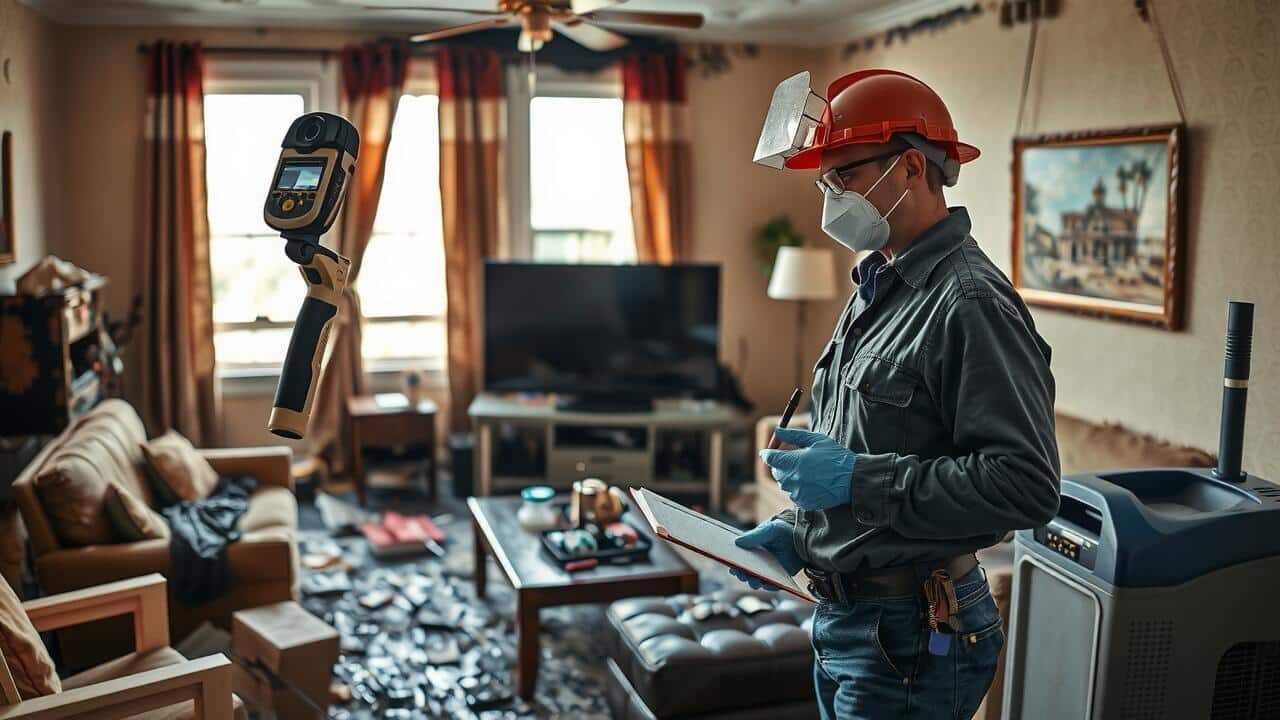
Residential Fire Damage Repair in these situations focuses not only on structural elements but also on restoring personal possessions. Engaging professionals experienced in damage restoration can help identify effective cleaning and restoration methods for various materials. Electronics and appliances require special attention due to potential water damage from firefighting efforts. Prioritizing restoration efforts strategically can significantly help in recovering from the aftermath of a fire.
FAQS
Can a fire-damaged house be completely repaired?
Yes, many fire-damaged houses can be completely repaired, depending on the extent of the damage. Professional assessment is necessary to determine what can be restored.
What is the first step in repairing a fire-damaged home?
The first step is to contact a qualified fire restoration service to assess the damage and develop a comprehensive repair plan.
How does water damage from firefighting efforts affect repairs?
Water damage from firefighting efforts can complicate repairs by promoting mold growth and damaging structural components. It’s important to address this damage alongside fire damage.
Will my insurance cover the repairs for a fire-damaged house?
Most homeowners’ insurance policies cover fire damage, but the extent of coverage varies by policy. It’s essential to review your policy and contact your insurance provider for details.
What should I prioritize when salvaging personal belongings from a fire-damaged home?
Prioritize items that are irreplaceable, such as photographs and important documents, followed by valuable items and those that can be cleaned and restored effectively.