Table Of Contents
Assessing Structural Damage
Structural damage from water exposure can manifest in various ways, often becoming evident through visible signs such as warped walls, buckling floors, and sagging ceilings. These changes may indicate deeper issues, such as weakened support beams or deteriorating foundations. Conducting a thorough Water Damage Assessment is crucial for identifying the extent of damage, as it allows homeowners to understand how water has affected the integrity of their structures. Inspecting these areas early helps mitigate further complications and ensures that necessary repairs can be timely executed.
In addition to physical visual checks, it is important to consider hidden damage that may not be immediately apparent. Water can infiltrate behind walls or beneath flooring, leading to mold growth and compromising structural components over time. A comprehensive Water Damage Assessment goes beyond superficial observations, utilizing tools like moisture meters and thermal imaging to uncover these hidden issues. Addressing both visible and concealed damage ensures that the building remains safe and livable for its occupants.
Evaluating the Impact on Building Materials
Evaluating the impact on building materials is a crucial step in the water damage assessment process. Different materials react uniquely to moisture intrusion. For instance, wood can warp or rot, while drywall may lose its structural integrity and develop mold. Identifying which materials are affected helps in determining the extent of the damage and necessary remediation efforts. It is essential to inspect areas that may not be immediately visible, such as behind cabinetry or under flooring.
Furthermore, various building materials require specific evaluation techniques. Porous materials like carpet and insulation can trap moisture, exacerbating mold growth if not addressed promptly. Non-porous surfaces may show less immediate damage but can still harbor hidden moisture. A thorough assessment of all materials, combined with moisture readings, ensures an accurate understanding of the situation. This systematic approach leads to effective restoration and helps prevent further complications.
The Role of Professional Inspectors
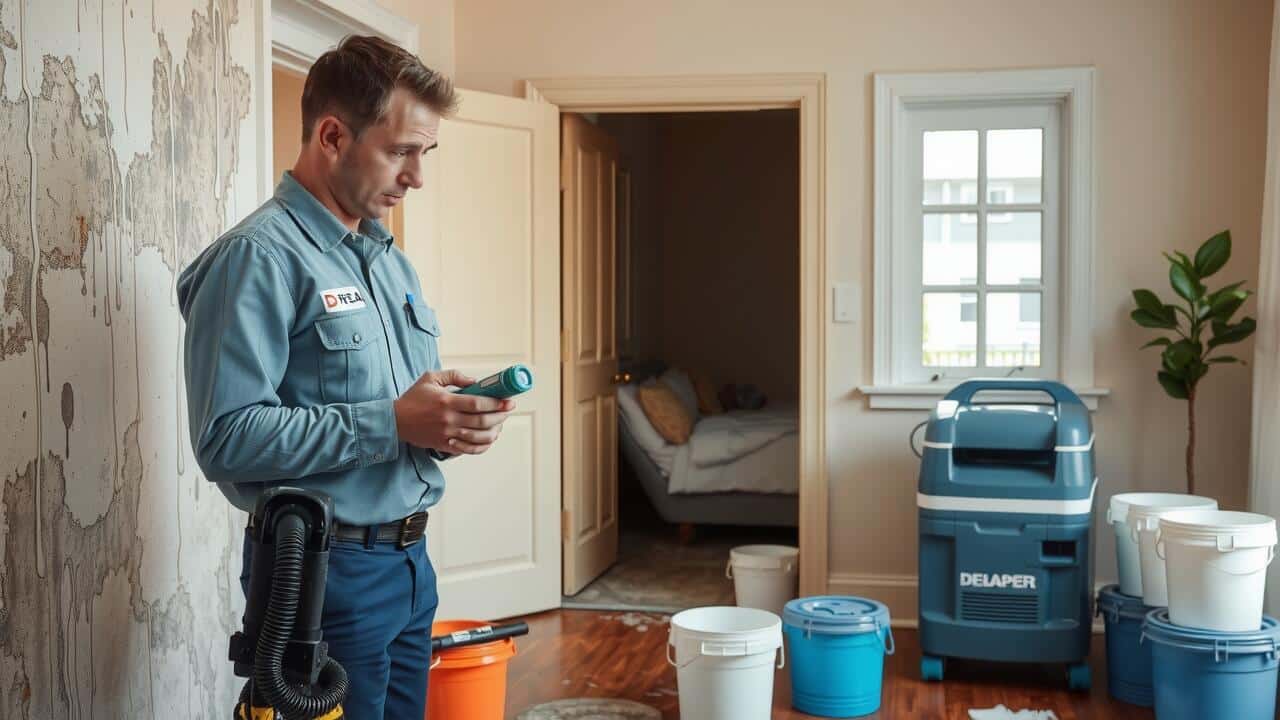
Professional inspectors play a crucial role in the water damage assessment process. Their expertise allows them to identify not only visible damage but also hidden issues that may not be apparent to untrained eyes. Using specialized tools such as moisture meters and infrared cameras, they can detect moisture levels within walls, ceilings, and flooring. This thorough evaluation helps homeowners and property managers understand the extent of the damage, guiding the appropriate response.
Additionally, inspectors provide detailed reports outlining findings and recommendations for repairs. This documentation is essential for insurance claims, as it offers concrete evidence of the damage and necessary restoration efforts. By relying on the knowledge and experience of a professional inspector, property owners can ensure a comprehensive water damage assessment, which ultimately aids in mitigating further issues and preserving the integrity of their buildings.
When to Call in a Specialist
Certain situations necessitate the expertise of professionals. If the source of water damage is not immediately identifiable, a specialist can effectively locate hidden leaks or assess ongoing moisture issues. They possess advanced tools and knowledge essential for a thorough Water Damage Assessment. In cases where the damage is extensive, such as significant flooding or long-term leaks, the involvement of specialists becomes even more critical to ensure safety and structural integrity.
Homeowners should consider calling in a specialist if they notice signs of mold growth or experience health symptoms linked to water exposure. Professional inspectors can provide accurate evaluations and develop comprehensive plans for remediation. Their experience enables them to assess the full extent of the damage and recommend appropriate mitigation strategies. A proper Water Damage Assessment helps prevent future issues, safeguarding health and property alike.
Documenting Water Damage
Documenting water damage is a critical step in the recovery process. Accurate records can help homeowners understand the extent of the damage and assist in filing insurance claims. Photographs serve as visual evidence, capturing both the immediate effects and any long-term impacts. Maintaining a detailed log of the damage, including dates and observations, provides valuable information for both assessments and potential repairs.
A thorough Water Damage Assessment can help identify areas that require urgent attention. Ensuring that all affected areas are documented allows for a more comprehensive evaluation of the situation. This documentation aids not only in the restoration process but also in discussions with insurance adjusters and contractors. Keeping organized records can streamline communication between all parties involved in the recovery effort.
Importance of Detailed Records
Keeping detailed records during the water damage assessment process is essential for several reasons. Accurate documentation provides a clear picture of the extent and severity of the damage, which is crucial for effective remediation and restoration. It serves as a reference point for contractors and insurance adjusters, ensuring that all affected areas are properly addressed. Photographs and written notes about the condition of materials and structures can help track changes over time, offering valuable insights into the ongoing impact of the moisture.
Comprehensive records also play a vital role in the claims process with insurance companies. Clear documentation of the damage and repairs can facilitate smoother communication between property owners and insurers. This can help ensure that claims are processed efficiently and that homeowners receive fair compensation for their losses. The importance of meticulous record-keeping cannot be overstated, especially when navigating the complexities of water damage assessment and insurance claims.
FAQS
How can I visually assess water damage in my home?
You can visually assess water damage by looking for signs such as discoloration on walls and ceilings, peeling or bubbling paint, warped flooring, and damp spots. Check areas near plumbing fixtures, windows, and roofs as they are often the most affected.
What building materials are most susceptible to water damage?
Common building materials that are susceptible to water damage include drywall, wood, insulation, and flooring materials like carpet and laminate. These materials can absorb moisture and may lead to mold growth or structural issues if not addressed promptly.
When should I consider hiring a professional to evaluate water damage?
You should consider hiring a professional if the damage is extensive, if you suspect mold growth, or if you are unsure about the safety of the structure. Professionals have the tools and expertise to provide a thorough assessment and recommend the best course of action.
What tools can I use to measure moisture levels in building materials?
You can use a moisture meter, which can measure the moisture content in materials such as wood and drywall. Additionally, infrared cameras can help identify hidden moisture behind walls or under floors.
Why is documenting water damage important?
Documenting water damage is crucial for insurance claims, assessing the extent of the damage, and planning for repairs. Detailed records, including photographs and descriptions, can help ensure you receive proper compensation and facilitate the restoration process.
