Table Of Contents
Common Disinfectants and Their Uses
Disinfectants play a crucial role in maintaining hygiene and preventing the spread of infectious diseases. Common disinfectants include bleach, hydrogen peroxide, and quaternary ammonium compounds. These agents work by destroying bacteria, viruses, fungi, and other pathogens on various surfaces. Their effectiveness often depends on the concentration and contact time, making it essential to follow the manufacturer’s instructions for optimal results. The precise choice of disinfectant can vary based on the environment and specific needs.
In residential and commercial settings, people frequently seek effective solutions for maintaining cleanliness. Using “sanitization near me” can help identify local services that specialize in thorough cleaning and disinfection. Many households opt for multi-surface disinfectant wipes or sprays for convenience, while healthcare facilities typically utilize stronger solutions to adhere to stringent health regulations. It’s vital to select the right products tailored to each unique situation for maximum safety and effectiveness.
Types of Disinfectants Available
Disinfectants are categorized into several types based on their chemical composition and effectiveness against various pathogens. Alcohol-based disinfectants are widely used due to their quick action and effectiveness in killing germs on surfaces. These solutions typically contain isopropyl alcohol or ethanol and are favored for their rapid evaporation properties. Quaternary ammonium compounds, or quats, are another popular choice, especially in household settings. They are known for their broad-spectrum efficacy and can be found in many commercial cleaning products.
Chlorine compounds, including bleach, are highly potent disinfectants often used in healthcare and industrial settings. Their ability to eliminate bacteria, viruses, and fungi makes them valuable for sanitizing surfaces in environments that require strict hygiene protocols. Hydrogen peroxide is another versatile disinfectant, functioning by producing reactive oxygen species that destroy pathogens. Individuals looking for effective cleaning options often search online for “sanitization near me” to find local services that offer professional sanitizing solutions tailored to their needs.
Effective Sanitisation Techniques
Effective sanitization techniques play a crucial role in maintaining hygiene in various environments. One common method involves using alcohol-based hand sanitizers containing at least 60% alcohol, which is effective in killing many germs and viruses. Another technique is surface sanitization, which uses approved sanitizing agents to reduce the number of microorganisms on surfaces to safe levels. Regular wiping of frequently touched surfaces, such as doorknobs and light switches, can significantly enhance cleanliness.
For those seeking professional assistance, searching for “sanitization near me” can yield reliable service providers equipped to maintain sanitary conditions in homes and commercial spaces. Utilizing steam cleaning techniques also proves beneficial, as high temperatures kill bacteria and viruses on surfaces without the need for harsh chemicals. These methods, combined with good hygiene practices, contribute to a healthier living environment.
Methods to Achieve Sanitisation
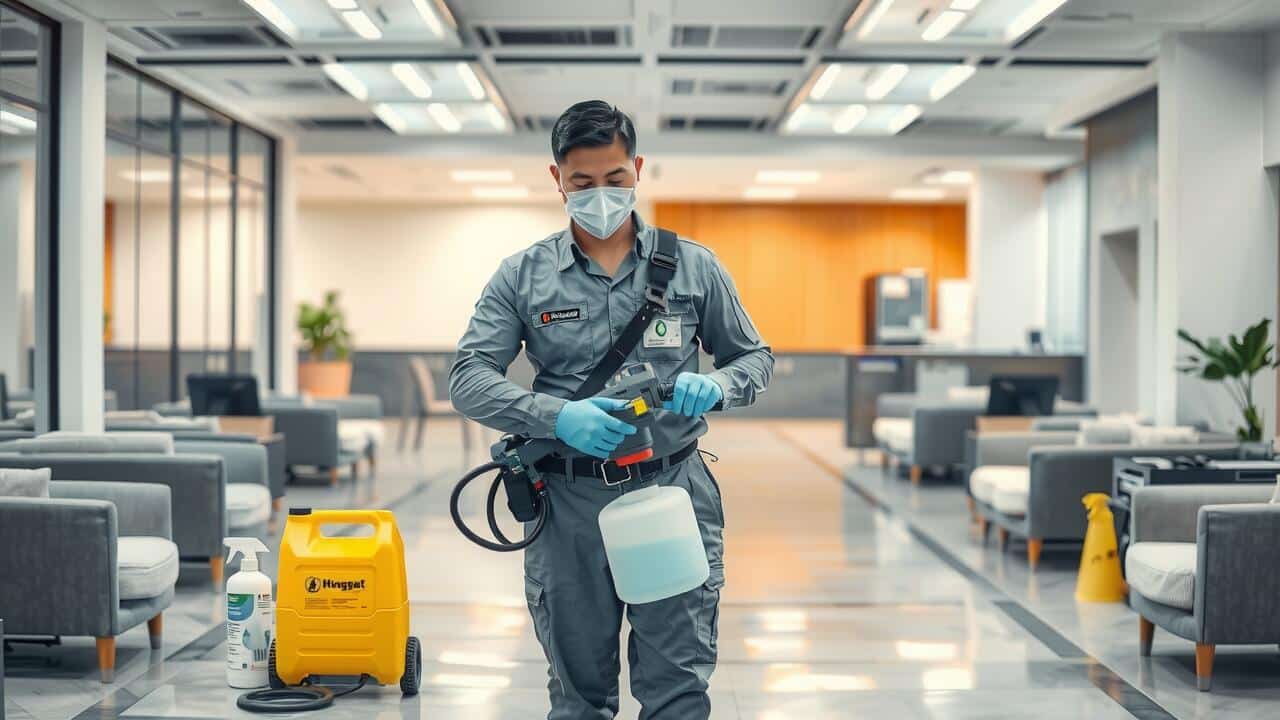
Achieving effective sanitization involves employing various techniques tailored to specific environments. Pouring disinfectant solutions over surfaces is common in places such as kitchens and bathrooms, ensuring areas frequently touched by hands are properly treated. For larger spaces, such as offices or schools, using electrostatic sprayers can improve coverage and efficiency. Regular cleaning and sanitization protocols should be established to maintain hygiene levels and prevent contamination.
In addition to chemical methods, physical techniques such as high-temperature steam cleaning can also achieve sanitization. This method not only kills bacteria but also removes dirt and grease from surfaces. Individuals seeking the best practices in their area can use the phrase “sanitization near me” to locate local services that specialize in thorough sanitizing techniques. Regular training for staff on proper sanitization methods further ensures a clean environment, enhancing overall safety and health in any setting.
Regulatory Standards for Disinfection
Regulatory standards for disinfection are established to ensure public health safety and environmental protection. Agencies such as the Environmental Protection Agency (EPA) and the Centers for Disease Control and Prevention (CDC) set guidelines that govern the use of various disinfectants. These standards dictate the efficacy of products, including their active ingredients and required application methods. Compliance with these regulations is essential for institutions like hospitals, schools, and commercial facilities that prioritize cleanliness and safety.
To meet regulatory standards, businesses often seek information about effective disinfectants and their proper usage. This includes understanding contact times, dilution ratios, and the necessary protective measures when applying these chemicals. Many establishments can increase consumer confidence by displaying certifications or compliance indicators. Individuals can search for “sanitization near me” to find certified services or products that adhere to established guidelines, ensuring a safer environment in both public and private spaces.
Guidelines Set by Health Organizations
Health organizations establish guidelines to ensure effective disinfection and sanitization practices across various sectors. These standards are crucial for maintaining public health and preventing the spread of infectious diseases. The Centers for Disease Control and Prevention (CDC) and the World Health Organization (WHO) provide comprehensive recommendations on the types of disinfectants suitable for different settings, including healthcare facilities, schools, and homes. Adhering to their protocols can significantly reduce the likelihood of contamination and illness.
In addition to the recommended disinfectants, these organizations emphasize the importance of proper application techniques and contact times for maximum effectiveness. They also highlight the need for regular training for staff involved in cleaning procedures. By searching for “sanitization near me,” individuals and businesses can find local services that comply with these guidelines, ensuring that their environments are safe and healthy for all occupants.
FAQS
What is the main difference between disinfection and sanitization?
Disinfection involves the use of chemicals or heat to eliminate or reduce harmful microorganisms on surfaces to a safe level, while sanitization reduces the number of germs to a safe level as determined by public health standards, but does not necessarily kill all pathogens.
Can sanitization replace disinfection in all situations?
No, sanitization cannot replace disinfection in all situations. Disinfection is necessary in areas that require a higher level of germ control, such as hospitals or food preparation areas, whereas sanitization is often sufficient for everyday household cleaning.
How often should disinfection and sanitization be performed?
It depends on the environment and the level of use. High-touch areas in public spaces may require disinfection multiple times a day, while routine sanitization can be performed less frequently in residential settings, generally once a week.
Are there specific products recommended for disinfection and sanitization?
Yes, there are specific products designed for each purpose. Disinfectants typically contain stronger chemicals like bleach or alcohol that kill pathogens, while sanitizers may use milder ingredients that effectively reduce germs without necessarily killing all of them.
What regulatory standards should be followed for disinfection and sanitization?
Regulatory standards vary by region and industry, but organizations like the CDC and EPA provide guidelines on appropriate disinfection and sanitization practices, including recommended products and application methods to ensure safety and effectiveness.